The ride
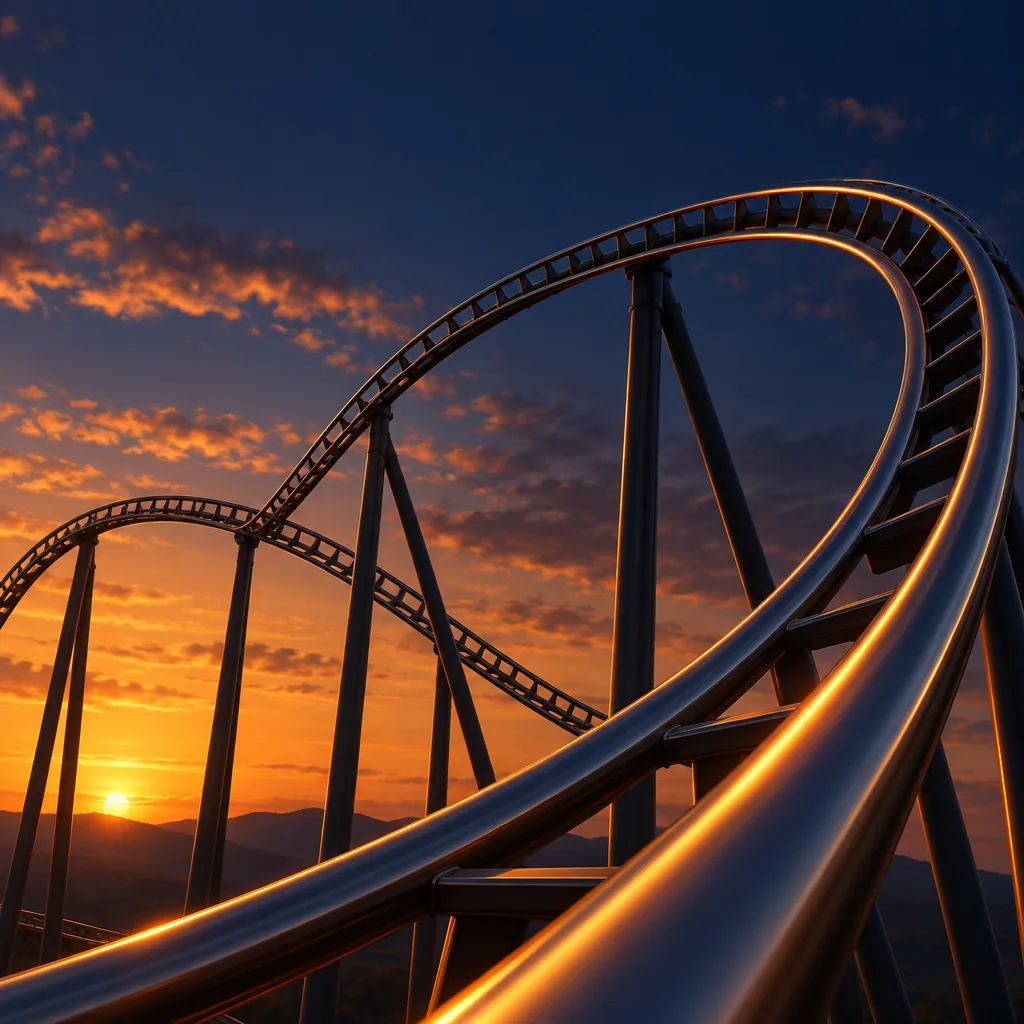
Viper is a steel roller coaster built by Anton Schwarzkopf on its Looping Star platform at Six Flags AstroWorld in Missouri, having opened to the public in 1989. After 37 seasons of operation it remains one of the defining attractions on the Six Flags AstroWorld midway, drawing repeat riders who track every subtle change to its trains, restraints and station soundtrack.
On paper the ride is a serious thrill machine. It climbs 80 ft above the park before pitching forward into its first descent. Trains reach a top speed of 47.8 mph before the first turnaround, where the layout opens up into a sequence of lateral and vertical elements. In total the track stretches 194 ft, giving the experience a distinctly long-form feel rather than the punchy one-and-done character of many modern compact coasters. The layout includes 1 inversion, which is a notable count for any modern installation and a defining part of how the ride photographs from the queue.
Coasters from Anton Schwarzkopf have a recognizable signature in track shaping, train design and the way transitions are paced. Riders familiar with other Anton Schwarzkopf installations will pick up on the same DNA in Viper's layout, particularly through its station design and the sound profile of the running gear. As a Looping Star, it sits within a recognizable family of attractions and benefits from years of refinement applied to similar installations elsewhere.
Plan to ride Viper early in the day or during the final hour before park close, when standby waits at Six Flags AstroWorld typically drop. If sensitivity to inversions is a concern, request a back-row seat where the transitions feel smoother and the forces are distributed more evenly. Single-rider lines and early-entry ticketing programs, when available at Six Flags AstroWorld, are usually the fastest ways to get repeat rides on a busy day.
In Coaster Index's ranking tables, Viper currently appears in our 186th position for most inversions lists, reflecting where its core stats place it among operating coasters in the United States. These rankings move whenever a new installation opens, so the position should be read as a snapshot rather than a permanent record.